
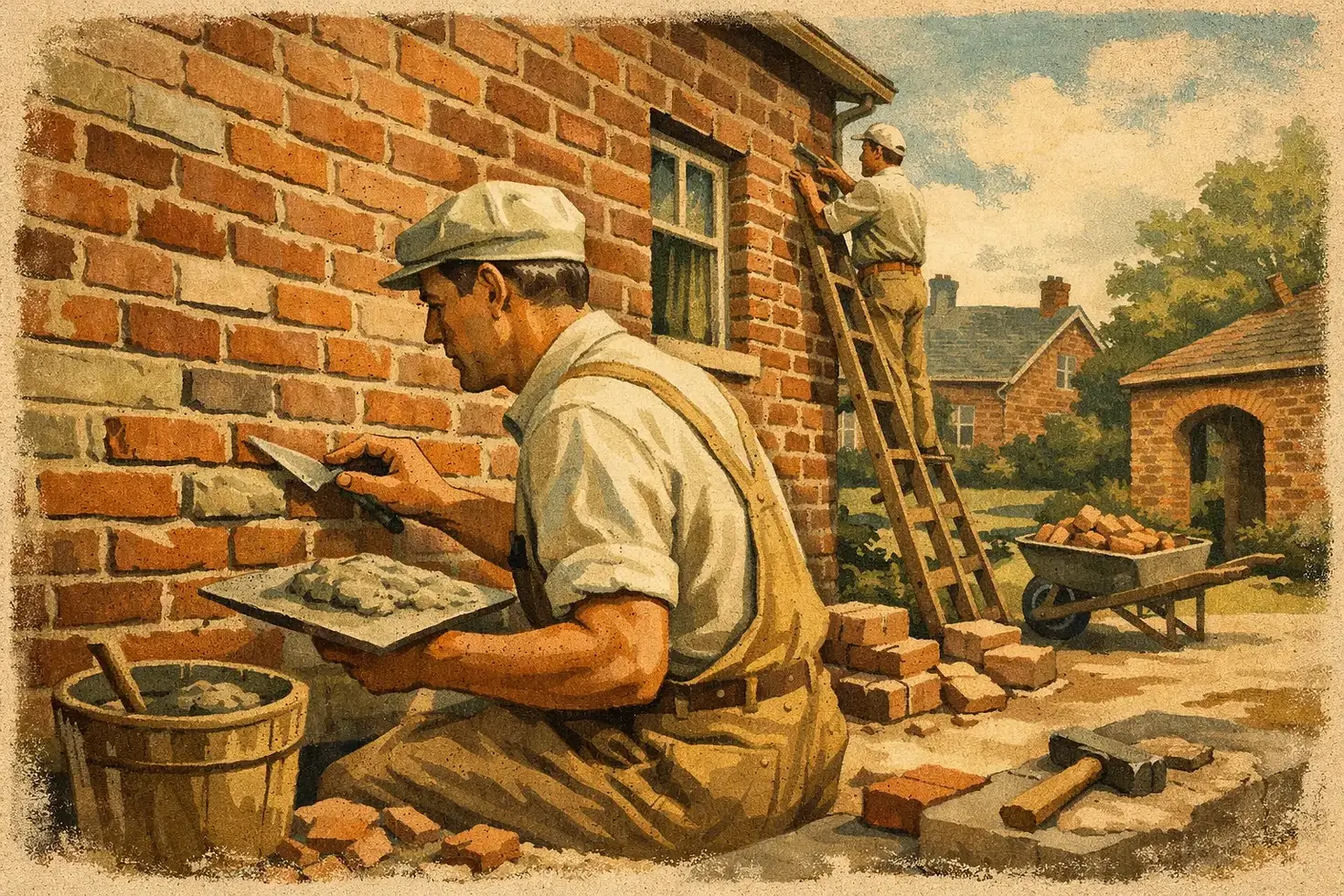
Masonry Restoration Guide for Brick Homes
A small crack in a mortar joint rarely stays small through an Illinois winter. Once water gets into aging brickwork, freeze-thaw cycles do the rest - joints widen, bricks loosen, and chimneys start showing the kind of wear that is expensive to ignore. That is why a solid masonry restoration guide matters for homeowners in Arlington Heights and the Northwest Suburbs, where weather exposure and older brick construction often go hand in hand.
Masonry restoration is not just about appearance, although curb appeal is part of it. It is about preserving structural strength, keeping moisture out, and protecting the parts of your home that are hardest to replace once damage spreads. On brick homes, chimneys, fireplaces, parapet walls, and entry features, the right repair approach can add years of life. The wrong one can trap moisture, accelerate deterioration, and leave you paying twice.
What masonry restoration actually includes
Homeowners often use the term broadly, and that makes sense. Masonry restoration can include tuckpointing, brick replacement, chimney repair, crown repair, rebuilding unstable sections, replacing damaged flashing, and correcting water intrusion issues. In some cases, the work is cosmetic and preventive. In others, it is structural and urgent.
The key is understanding that masonry systems work together. Brick, mortar, caps, crowns, liners, flashing, and adjacent roofing details all affect performance. If a chimney is taking on water from a cracked crown or failed flashing, repointing the mortar alone may not solve the problem. If a wall has spalling brick because trapped moisture cannot escape, simply patching the face can make it worse.
That is why experienced restoration work starts with diagnosis, not guesswork. Matching the repair to the actual cause is what protects the home over time.
A practical masonry restoration guide for Illinois homes
In the Northwest Suburbs, weather is one of the biggest variables. Masonry absorbs moisture naturally, but it needs to release that moisture properly. When materials fail, or when previous repairs used the wrong mortar or sealant, the wall or chimney can no longer handle seasonal stress the way it should.
Older homes are especially sensitive to repair methods. Many were built with softer brick and lime-based mortar that need compatible materials during restoration. Newer, harder mortars are not always better. If the mortar is too strong, the brick can crack before the joint does. That is a costly mistake, and one reason restoration should be handled by a contractor who understands masonry behavior, not just surface appearance.
A proper restoration plan also respects color and texture. Mortar color matching is not just a detail for neatness. On visible brick elevations and chimneys, a mismatch can make repairs stand out more than the original damage. Good work should protect the structure and preserve the character of the home.
Common signs your masonry needs attention
Some problems are obvious. Leaning chimneys, missing bricks, crumbling mortar, and water stains near a fireplace should never be ignored. Others develop slowly and are easier to miss until damage spreads.
Watch for mortar joints that are recessed or sandy, bricks that are flaking or popping at the surface, white staining known as efflorescence, rust on chimney components, and separation where masonry meets siding or trim. Indoors, damp odors near the fireplace, staining on walls, or signs of draft problems can point to chimney deterioration above the roofline.
Not every crack means major structural failure. Hairline cracking in isolated mortar joints may call for targeted repair. Wider cracks, stair-step cracking, or movement around openings often deserve a more thorough inspection. The difference matters because the fix, timeline, and cost can vary quite a bit.
Why tuckpointing is often the first step
For many brick homes, tuckpointing is the repair that buys the most protection for the least disruption. Mortar joints usually fail before the brick itself, which is by design. Repointing deteriorated joints helps keep water out, restores stability, and prevents loose masonry from developing into larger structural problems.
But tuckpointing only works when it is done correctly. Damaged mortar needs to be removed to the proper depth, new mortar needs to match the original in strength and appearance, and the finished joints need to be tooled properly so they shed water. Smearing new mortar over old joints is not restoration. It is a short-term patch, and it tends to fail quickly in freeze-thaw conditions.
Chimneys require a different level of attention
A chimney is one of the most exposed masonry structures on any home. It takes weather from every direction and often has more vulnerable points than a wall does - crown, cap, flashing, flue, and upper brick courses all working in a small footprint. That is why chimney masonry tends to deteriorate faster than the rest of the home.
When homeowners search for a masonry restoration guide, chimney care should be part of the conversation. Brick damage at the roofline is not just an exterior issue. If moisture gets in, it can affect the flue liner, fireplace performance, surrounding framing, and indoor safety.
Sometimes the right answer is a focused repair. Other times, especially when a chimney has widespread spalling, severe mortar loss, or structural instability, rebuilding all or part of the chimney is the more durable investment. A cheaper patch can seem attractive in the short term, but if the core structure is already failing, rebuilding may be the safer and more cost-effective choice.
The role of inspections in restoration planning
A clear inspection is what separates necessary work from unnecessary work. Homeowners deserve to know whether the issue is cosmetic, preventive, or structural. They also need to know whether the damage is isolated to masonry or tied to chimney venting, moisture entry, or fire safety concerns.
That is especially true with fireplaces and chimneys, where visible brick deterioration may be only part of the picture. If there are draft issues, creosote buildup, flue damage, or signs of water intrusion inside the system, the repair scope needs to reflect that. This is where specialized masonry and chimney knowledge matters. It gives homeowners a more complete answer, not just a surface repair proposal.
Repair now or wait another season?
That depends on the type of damage, but waiting is rarely cheaper in masonry work. Mortar loss tends to expand. Water intrusion tends to spread. Freeze-thaw damage tends to accelerate once protective surfaces are compromised.
There are cases where monitoring makes sense, such as minor cosmetic wear with no moisture issues or isolated aging on sheltered areas. But active spalling, open joints, chimney leaks, and loose masonry are not issues to leave for later. The longer those conditions stay exposed, the more likely they are to affect adjacent materials.
For homeowners planning exterior updates, restoration timing matters too. It is smart to address brick and chimney issues before repainting trim, replacing roofing components around flashing areas, or investing in landscaping near damaged walls. Good sequencing protects the full project.
How to choose the right masonry contractor
Restoration is specialized work. A general repair approach is not enough when the goal is long-term performance, visual consistency, and safety. Homeowners should look for a contractor with direct masonry restoration experience, a clear understanding of local weather demands, and the ability to evaluate chimney components as part of the job when needed.
Ask how mortar will be matched, how damaged areas will be diagnosed, and whether repairs are intended to solve the root cause or only the visible symptom. Ask what warranty backs the labor. And ask who is actually performing the work. Skill on site matters just as much as what is written in the estimate.
In this region, climate-conscious methods are not a sales phrase. They are essential. Repairs need to stand up to wet springs, hot summers, and repeated winter freeze-thaw cycles. Precision, material compatibility, and proper water management are what make that possible.
Liberty Fireplace & Masonry serves homeowners who want that level of focused care - not just for brick appearance, but for structural reliability and chimney safety as well.
Protecting the look and life of your home
The best restoration work does two things at once. It strengthens the masonry and preserves the character of the home. That balance matters in neighborhoods where brick facades, chimneys, and fireplaces are a major part of the property's value and appearance.
If your mortar is breaking down, your chimney is showing wear, or your brickwork has started absorbing more water than it should, early action gives you better options. Smaller repairs are easier to control, easier to match, and easier to keep from spreading into larger structural issues.
A home with sound masonry does not just look cared for. It performs better through every season, and that kind of protection is worth getting right the first time.


Comments